Iran in Turmoil: Explosive Mass Protests, Deadly Crackdown, Economic Collapse, and Global Tensions Shake the Islamic Republic
What’s Truly Happening in Iran Right Now
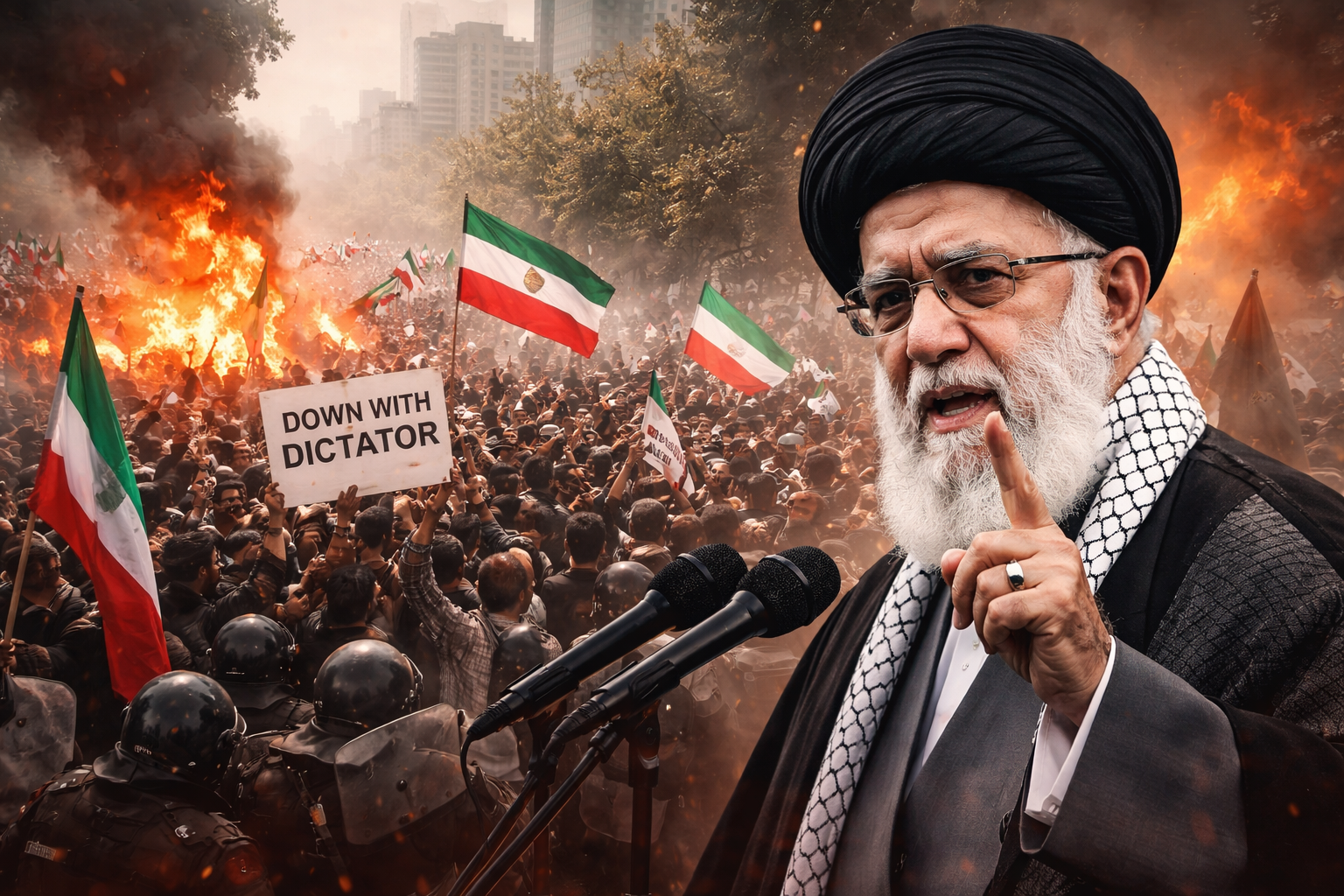
Iran is experiencing one of the most explosive and consequential periods in its modern history. What began in late December 2025 as an outcry against economic despair has rapidly escalated into a nationwide uprising, a forceful government crackdown, and growing geopolitical tensions that could reshape the Middle East.
At the core of the unrest is a deep economic crisis that has devastated ordinary Iranians’ livelihoods. Years of inflation, rising prices for food and essentials, and the sharp collapse of the Iranian rial have ignited widespread frustration. This crisis was aggravated by renewed international sanctions after the U.S. withdrew from the nuclear deal and damaging conflicts with Israel in 2024 and 2025 that crippled key parts of Iran’s defenses and economy.
The protests ignited in Tehran’s Grand Bazaar on December 28, 2025, where bazaar merchants—long pillars of the revolution’s early support—first voiced their discontent with economic mismanagement. But economic pain quickly morphed into broader anti-government sentiment as people across all strata of society joined the streets.
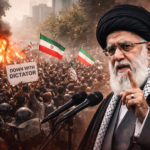
From Tehran to Shiraz, Mashhad to Isfahan, demonstrators have called not only for relief from hardship but for deep political change. Chanting slogans demanding rights, freedom, and even the downfall of Iran’s clerical leadership, the movement has spread to all 31 provinces, encompassing students, workers, bazaaris, and ordinary families tired of decades of repression.
The government’s response has been brutal. Security forces, including the Revolutionary Guards and Basij militia, have used live ammunition, mass arrests, and heavy repression to try to suppress dissent. Iran imposed a nationwide internet and phone blackout in early January to stifle communication and limit external monitoring.
Casualty figures vary widely due to the blackout and conflicting reports. Iranian officials claimed around 2,000 deaths, including civilians and security personnel, and tagged demonstrators as “terrorists.” Human rights groups estimated at least 648 confirmed deaths, with some opposition sources placing the toll even higher—possibly exceeding 6,000 or more. Thousands more have been arrested or disappeared.
Amid the turmoil, government-organized pro-regime rallies have attempted to counter the narrative, with authorities framing the protests as foreign-backed or destabilizing. Supreme Leader Ayatollah Ali Khamenei and senior officials have denounced foreign interference and urged unity against external threats.
The Iranian leadership’s hardline posture is matched by equally stark rhetoric abroad. U.S. President Donald Trump has publicly encouraged protesters to “keep protesting” and hinted that international assistance is forthcoming, while also imposing tariffs on countries that trade with Iran. At the same time, Trump has reportedly weighed a range of responses—including sanctions, diplomatic pressure, and even military options—if the crackdown continues.
Western governments have condemned the violence and urged Iran to respect human rights. The United Kingdom’s foreign minister strongly criticized the “horrendous and brutal killings,” demanded accountability, and announced expanded sanctions against Tehran.
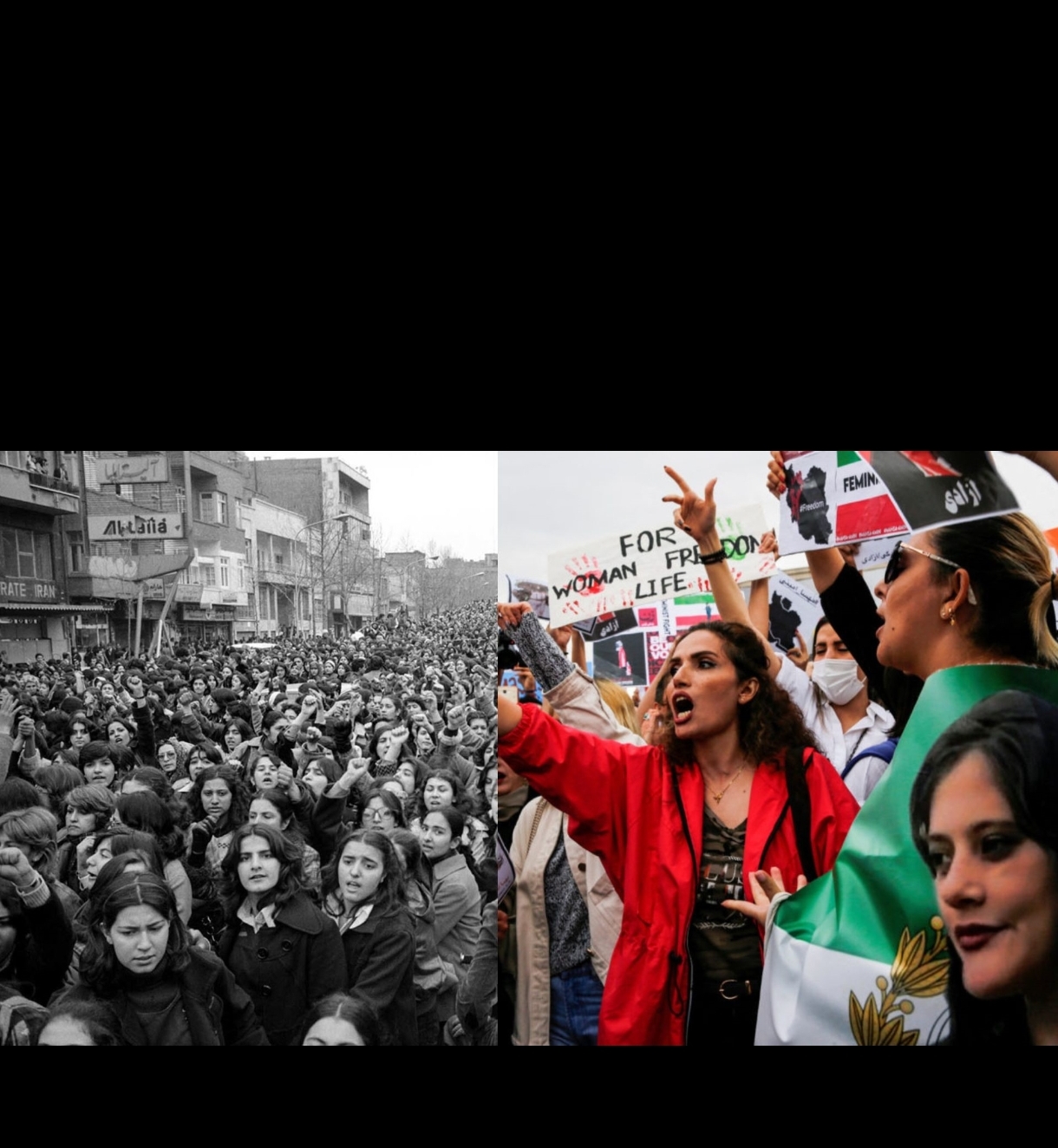
This turmoil unfolds against a backdrop of longstanding grievances. Many Iranians see the theocratic system as resistant to reform, rife with corruption, and indifferent to public welfare. Repeated cycles of protest, including the major “Woman, Life, Freedom” movement in 2022-23, reflect deep societal fractures that economic concessions alone cannot heal.
Some opposition figures in exile, including Reza Pahlavi, have emerged as symbolic voices advocating change, even as the protest movement remains largely leaderless and decentralized. The absence of a unified structure complicates both strategy and potential paths forward, but it also reflects widespread disenchantment with traditional political hierarchies.
The stakes are high. Iran’s government insists on its resilience and readiness to confront foreign threats, even hinting at war if external forces intervene. Meanwhile, the country’s economy teeters on the brink, and international actors watch cautiously as the situation evolves.
In essence, Iran today is not merely facing economic collapse or sporadic protests—it is at a political crossroads, with widespread internal dissent challenging the foundations of the Islamic Republic. Whether this upheaval will transform Iran’s political landscape or consolidate authoritarian control remains an open and profoundly consequential question for both Iranians and the global community.