Unrest in Iran: A Nation at a Crossroads
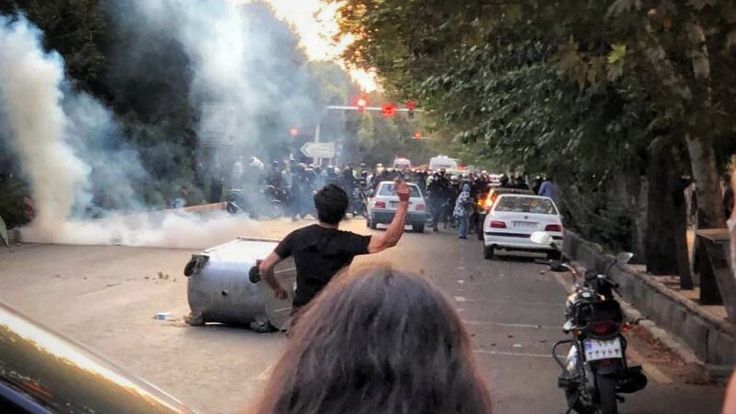
Across Iran, mass protests continue to unfold as the population confronts one of the country’s worst economic crises in decades. Triggered in late December 2025, demonstrations have spread from Tehran to cities including Isfahan, Shiraz, and other provinces — with citizens demanding relief from inflation, currency collapse, and rising living costs.
Daily life has been deeply affected as the Iranian rial plunges and food prices soar, igniting widespread public anger. What began as strikes by shopkeepers and workers has grown into a nationwide call for political reform and accountability from Iran’s leadership.
🚨 Government Crackdown and Communication Blackout
In response, authorities have imposed stringent measures, including nationwide internet and phone blackouts aimed at restricting communication and coverage of the unrest. The official crackdown has resulted in thousands of detentions and multiple fatalities, while top judicial figures have labeled protesters as threats, which carries severe legal consequences.
International human rights organizations have warned of escalating repression, with reports of aggressive law enforcement tactics and expanded use of the death penalty for protest participants.
For context on how these protests fit into broader historical patterns of dissent in Iran, see background coverage on Iranian farmers’ demonstrations and past national strikes.
Escalating War Tensions in the Middle East
The unrest in Iran comes amid growing regional security pressures. Analysts now view a potential escalation between Iran and Israel — and involvement of global powers — as a serious risk. Recent geopolitical assessments suggest that renewed conflict could eclipse previous confrontations, intensifying instability across the Middle East.
Beyond Iran’s borders, conflict hotspots such as Yemen’s ongoing civil war continue to shape regional dynamics, involving Iranian-linked militias and drawing in external military interests.
Today’s headlines also include warnings from Tehran that any foreign military actions, especially by the United States, could trigger retaliation against American forces and strategic maritime targets — underlining how local unrest and international diplomatic tensions are dangerously intertwined.
🌍 What This Means for the Region
🔹 Domestic pressure in Iran is rising steadily due to economic hardship and political dissatisfaction.
🔹 Communication shutdowns are limiting independent reporting, complicating global understanding of on-the-ground realities.
🔹 Geopolitical flashpoints between Iran, Israel, and Western powers could rapidly escalate, potentially drawing neighboring nations into broader conflict dynamics.
📌 Related Reads on http://newsinsider24.in
➡️ “Explained: What’s Driving Iran’s Economic Collapse and Public Rage”
➡️ “Middle East Conflict Tracker: Yemen, Israel & Beyond”
➡️ “Global Oil Prices Hit Amid Regional Security Fears”